Winning at the wrong game: a call to change for health system leaders
As an industry, hospitals and doctors are winning at the wrong game. The system largely performs as it is incentivized to perform. It pays far more reliably for downstream intervention than upstream prevention and produces world-class medical care after people are sick.
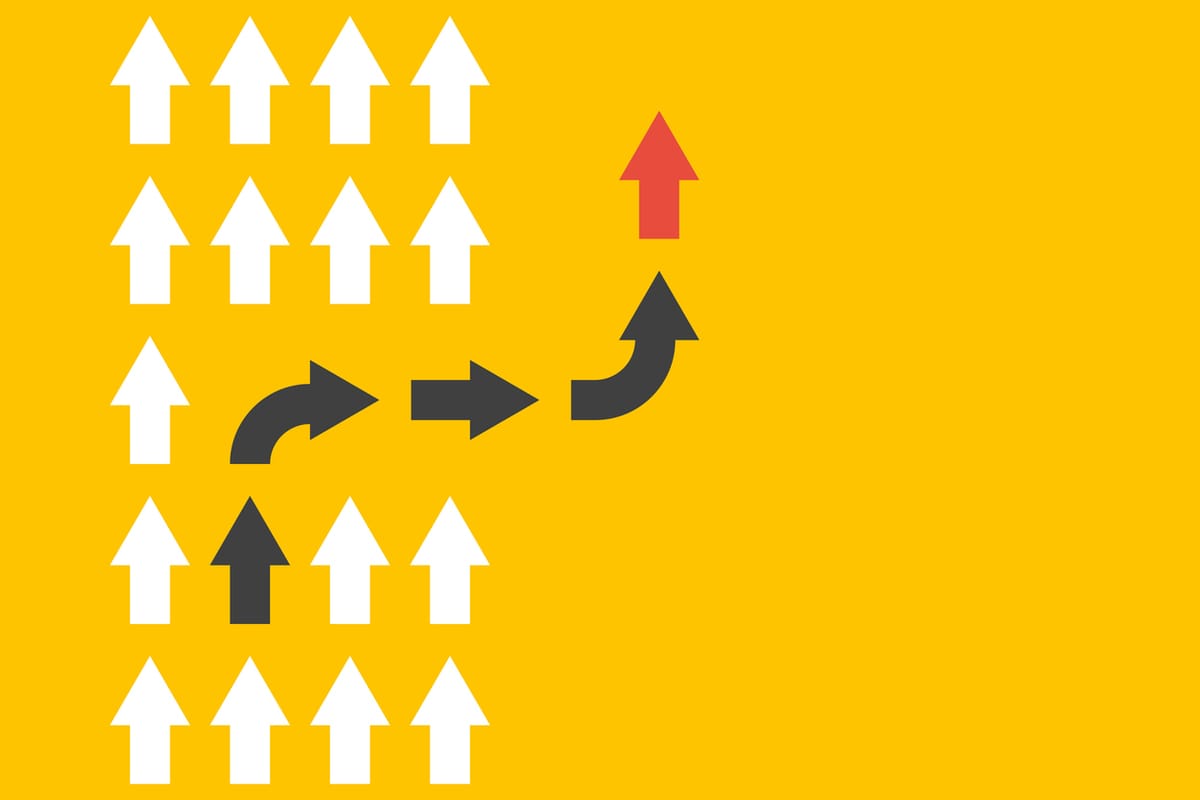
As an industry, hospitals and doctors are winning at the wrong game.
The system largely performs as it is incentivized to perform. It pays far more reliably for downstream intervention than upstream prevention and produces world-class medical care after people are sick.
What it does not reliably produce is health.
Despite spending roughly twice as much per person as our peers, we continue to see high rates of preventable chronic disease, mental health crises, substance use, and premature death. Even when national life expectancy averages improve, they conceal extreme variation by income, race, and geography, and the U.S. continues to lag its peers in preventable mortality.
Data reveals a deeper truth: too many Americans are living longer years in poorer health, and too many never reach old age at all.
The issue is not effort. It is alignment. We have built an industrial-scale engine for acute rescue care and then expect it to behave like a health system. It can’t. And it won’t.
Meanwhile, affordability has hit a wall. Employers and consumers are tapped out. Public subsidies are politically fragile. Every year, more people are technically “covered” but practically priced out of care when they need it most.
Hospitals can rescue and stabilize. However, they cannot deliver health at scale without appropriate community partners, behavioral health capacity, and primary-care-led longitudinal models.
Rising rates of chronic disease, depression, addiction, violence, and despair are not medical access and quality execution failures. They are design gaps and resource challenges in the effort to address upstream conditions, provide longitudinal support, and build behavioral health capacity.
Here is the uncomfortable reality: we are trying to finance health through a system that only gets paid when people are sick. If we continue to rely on downstream medical fixes to compensate for upstream dysfunction, costs will keep rising, outcomes will remain uneven, and trust in the system will continue to erode.
This is not a question of incremental improvement. It is a question of whether we are willing to redesign a system built for treatment into one capable of producing health.